A Farm That Thinks Beyond the Harvest
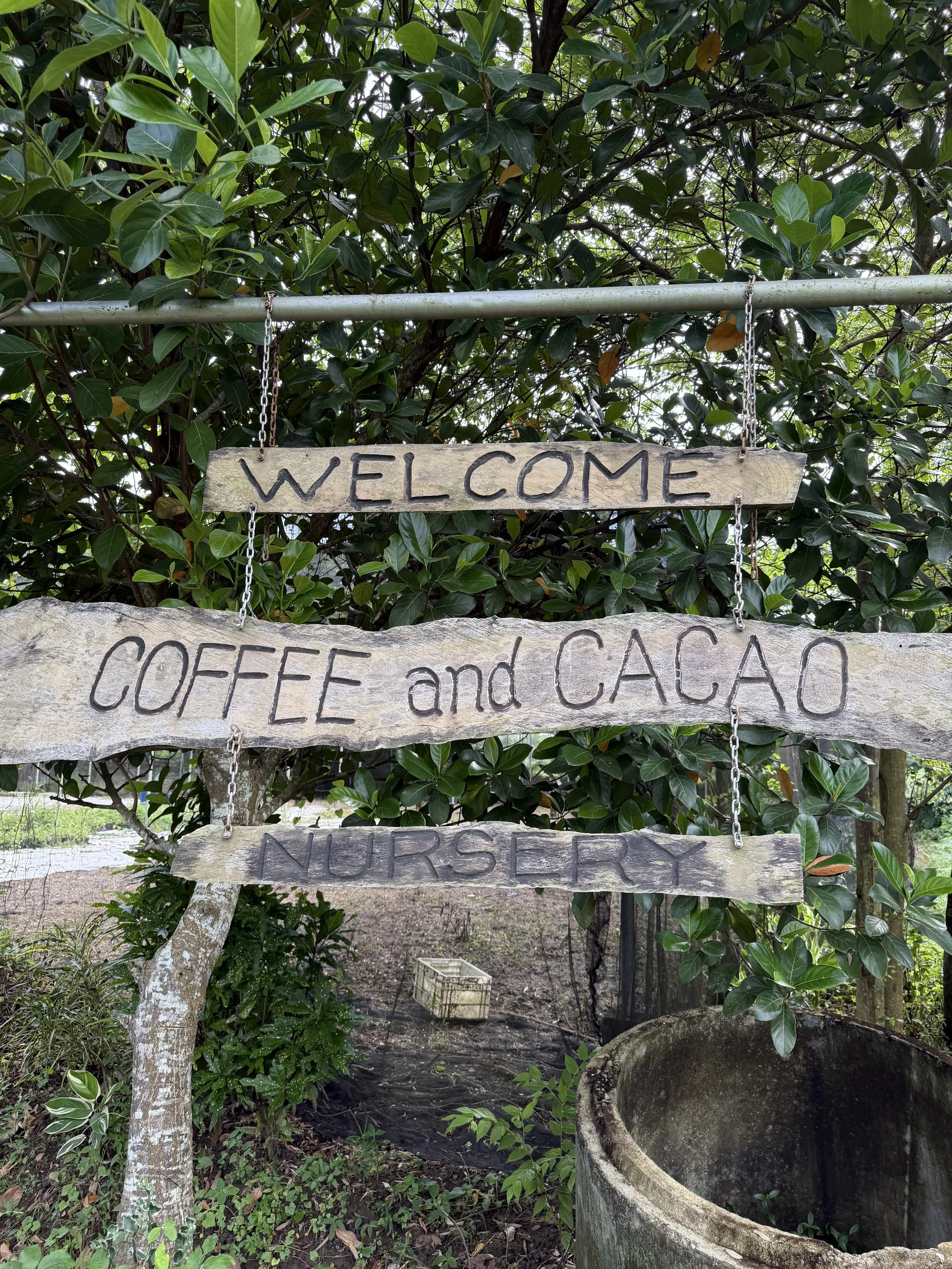
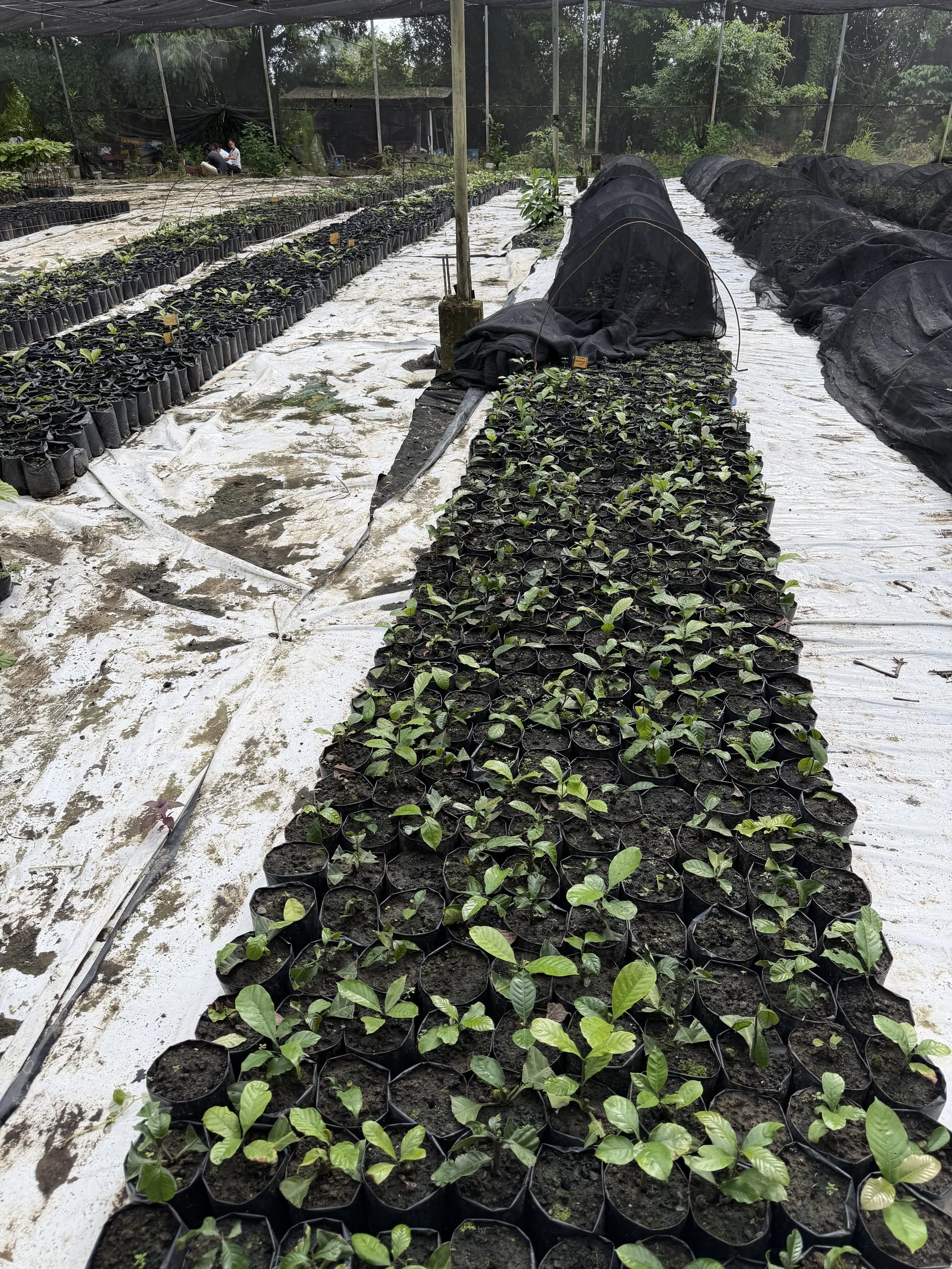
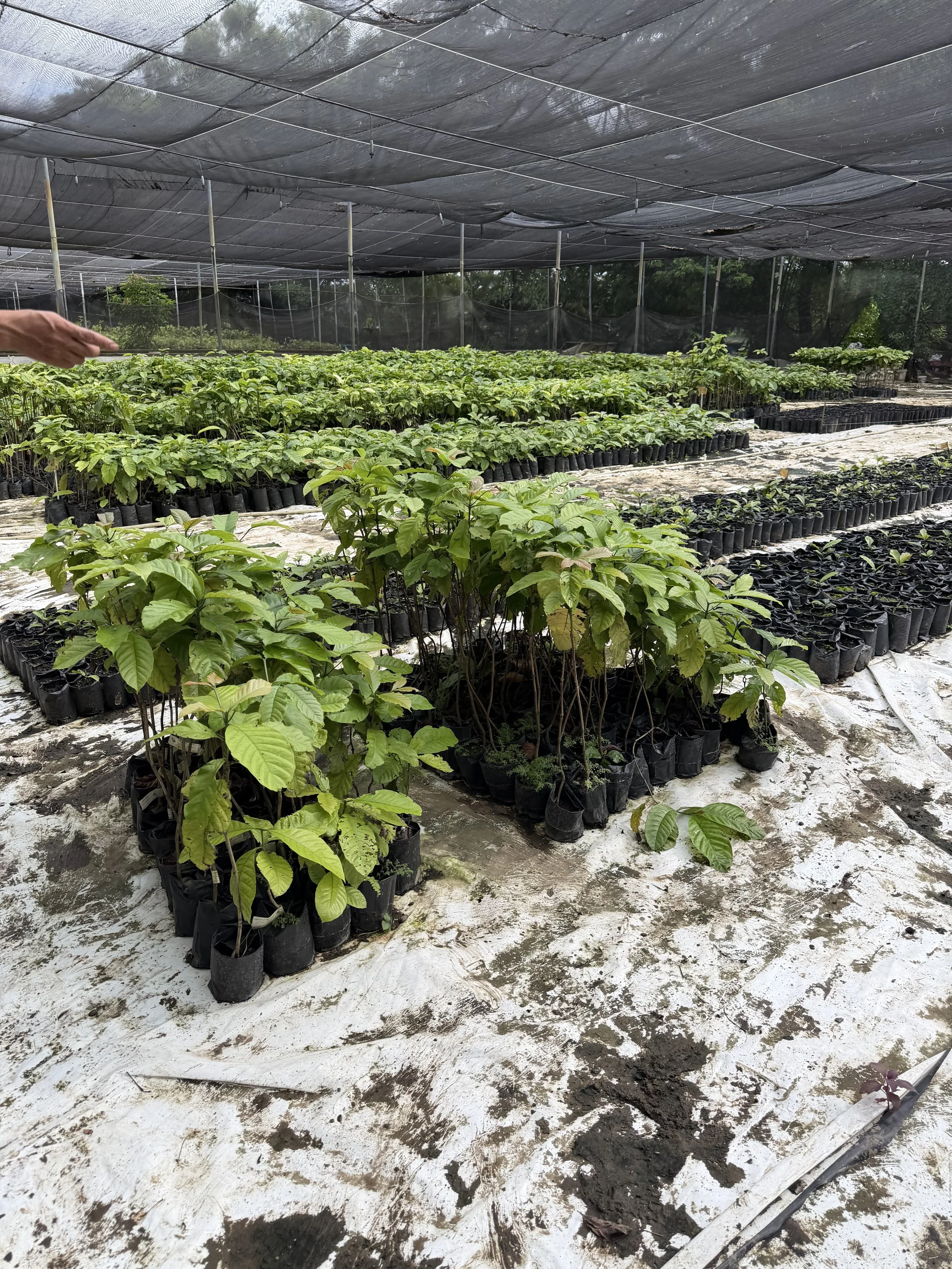
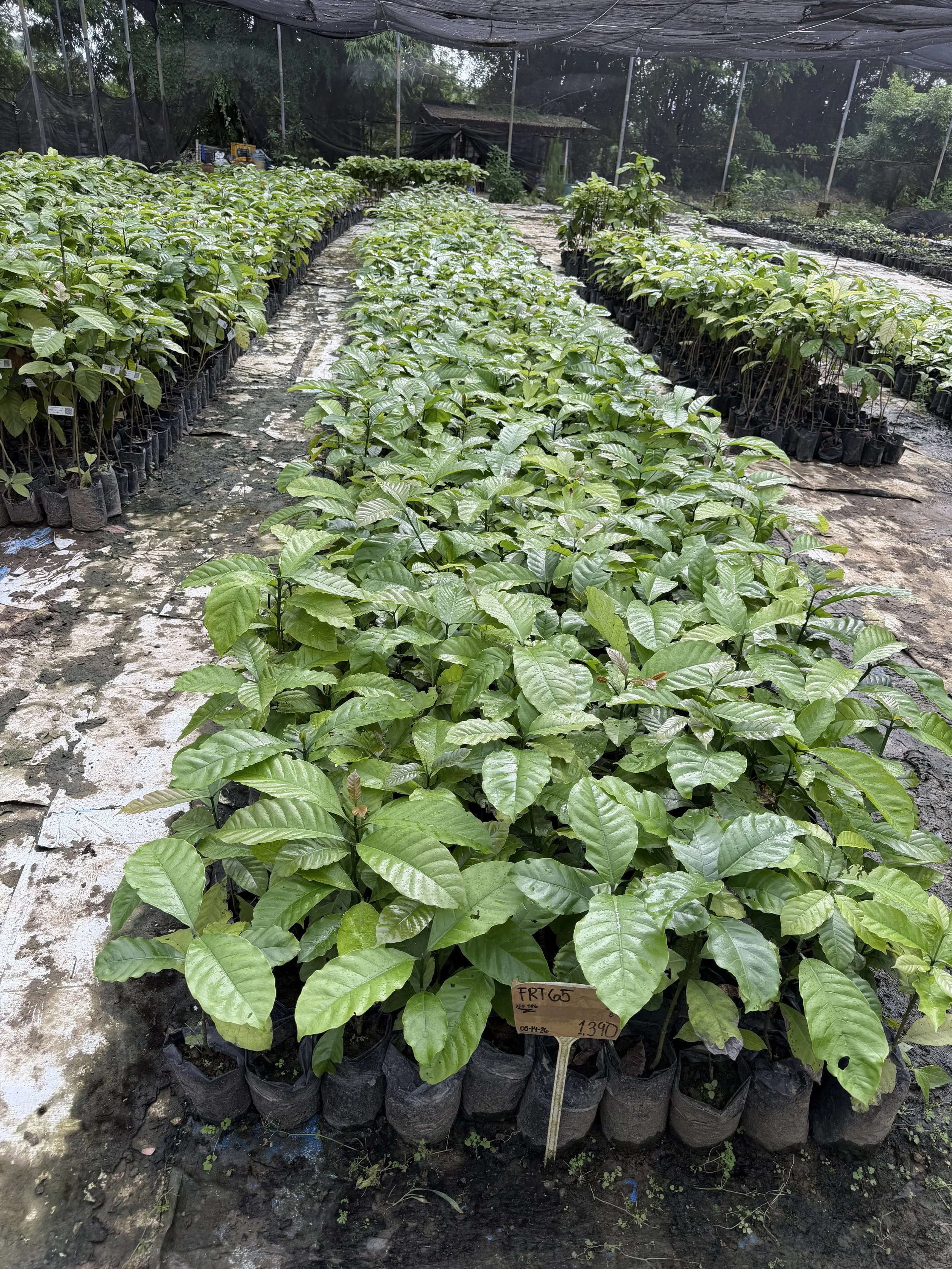
I just returned from a farm visit to Iloilo and Guimaras, where I had the opportunity to visit a nursery with a mission that goes far beyond growing plants. Its purpose is to produce and distribute Bureau of Plant Industry (BPI) certified coffee and cacao seedlings, giving farmers access to quality planting materials as they establish new farms or rehabilitate older ones. It is work that may seem simple at first glance, but it lays the foundation for agriculture in the region.
Walking through rows of healthy young plants, I learned that these were not ordinary seedlings grown from random seeds. The nursery propagates coffee and cacao by taking scions from carefully selected mother trees and rooting them in specialized propagation chambers. These mother trees have already proven themselves through high productivity, and exceptional quality. By cloning them, the nursery preserves those desirable traits and provides farmers with planting materials they can rely on.
At the same time, it reminded me of the importance of genetic diversity. Clonal propagation offers consistency and allows farmers to establish plantations with proven characteristics. However, history has shown that relying too heavily on a narrow genetic base can increase vulnerability to emerging pests and diseases especially in coffee. If every tree shares nearly identical genetics, a disease capable of infecting one plant may spread rapidly throughout an entire plantation.
Perhaps the best path forward is to strike a balance. We should continue identifying and multiplying outstanding mother trees while also preserving a diverse genetic pool through breeding, seed collections, and the conservation of traditional varieties. Productivity and resilience do not have to compete. Together, they can help build a stronger and more sustainable future for Philippine coffee and cacao.
Quality coffee and cacao begin long before the first harvest. They begin with genetics. A farmer waits 3-5 years before their first harvest and spends decades caring for a single tree, so selecting the right planting material from the start is one of the most important decisions they will ever make. Every rooted clone in the nursery carries the potential of an outstanding mother tree and the promise of a more productive farm.
Looking across thousands of young plants waiting to be distributed, I realized that a nursery is much more than a place where plants are grown. It is where the next generation of coffee and cacao farms begins.
It also made me think about why the nursery focuses on coffee and cacao. I believe these are two of the most promising crops for Iloilo and Guimaras. They are well suited to the region's climate ( intermitent rain and sun, similar to what I experienced in Cauca, Colombia) and offer farmers an opportunity to build long-term livelihoods.
Unlike seasonal crops that need to be replanted every few months, coffee and cacao are perennial trees. They require patience, but once established and properly managed, they can continue producing for many years. They reward farmers who are willing to think beyond the next harvest and invest for the long term.
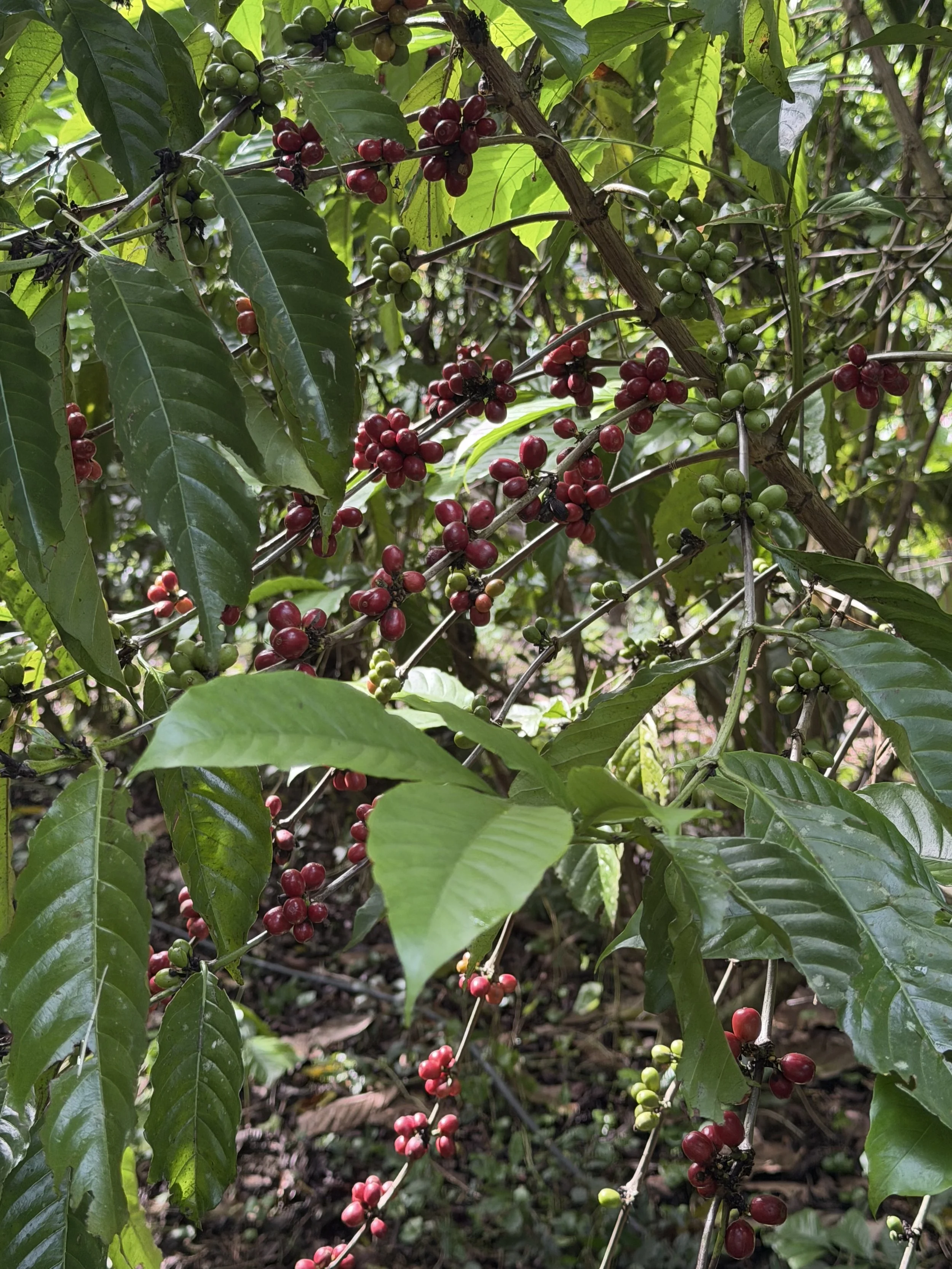
These crops also fit naturally into agroforestry systems. Coffee and cacao thrive beneath the shade of coconut, fruit trees, and native species. This helps protect the soil, improves water retention, and creates a healthier farming ecosystem. Instead of choosing between productivity and sustainability, farmers can achieve both.
This is one reason Iloilo has been encouraging the planting of coffee, cacao, and coconut as part of its vision for sustainable agriculture and landscape restoration. These crops can improve livelihoods while helping restore and protect the environment.
The opportunities also extend beyond the farm. A coffee cherry can become a specialty coffee served in cafés around the world. A cacao pod can become fine chocolate that reflects the unique character of its origin. When farmers have access to quality planting materials, proper training, and the right markets, they create far more than raw commodities. They create products with identity, value, and a story that consumers are willing to support.
What impressed me just as much as the nursery was the philosophy behind the rest of the farm.
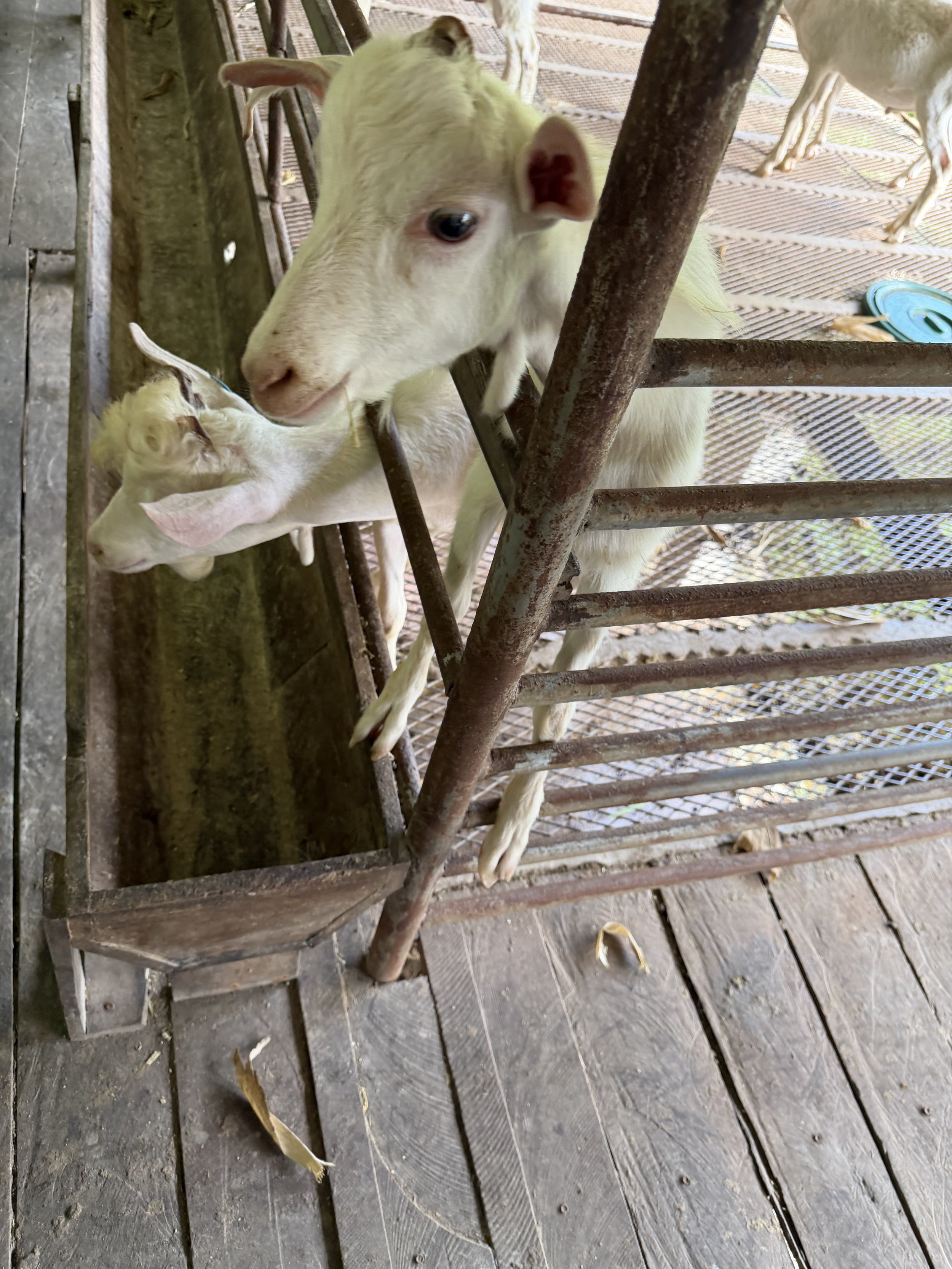
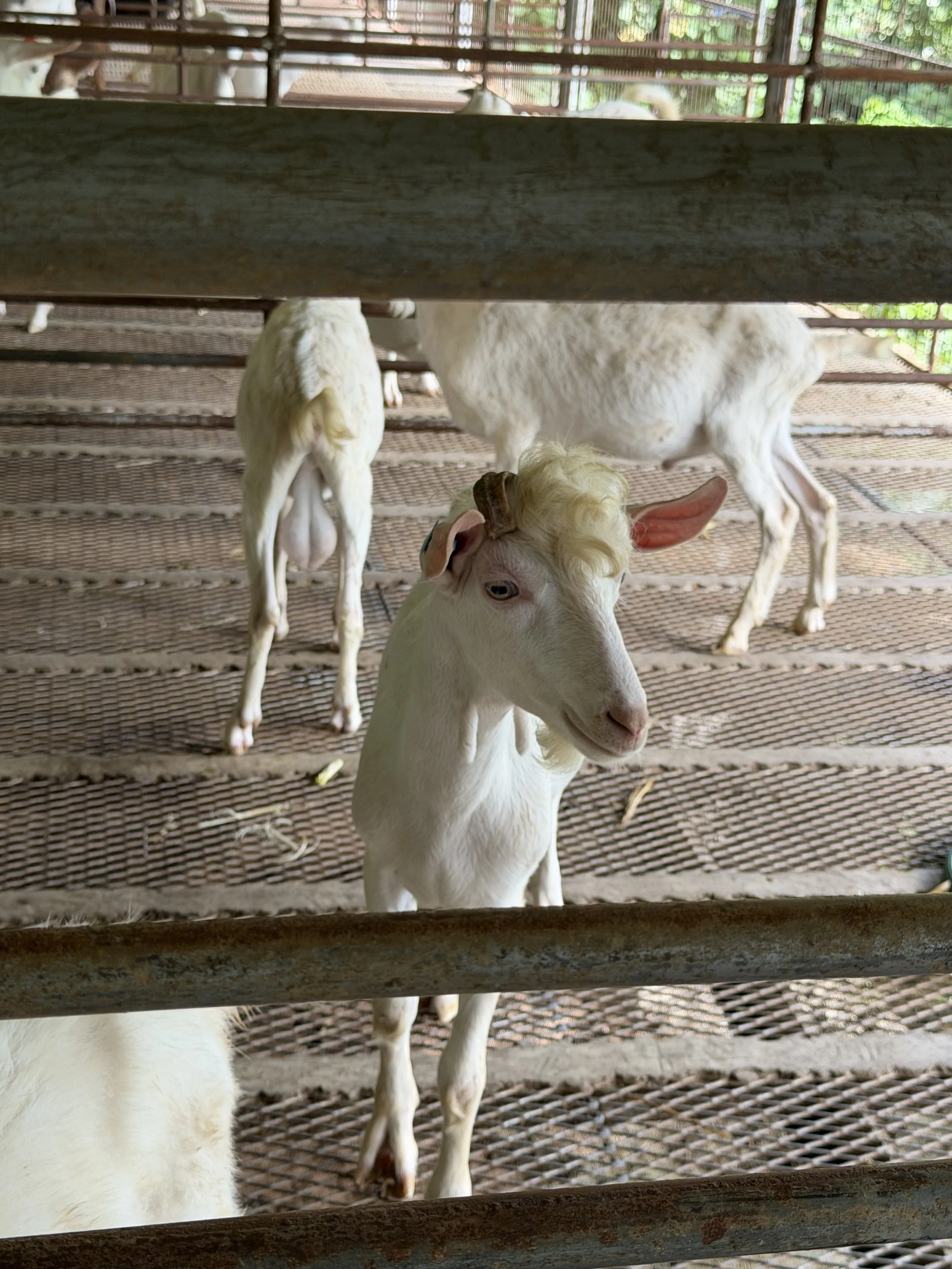
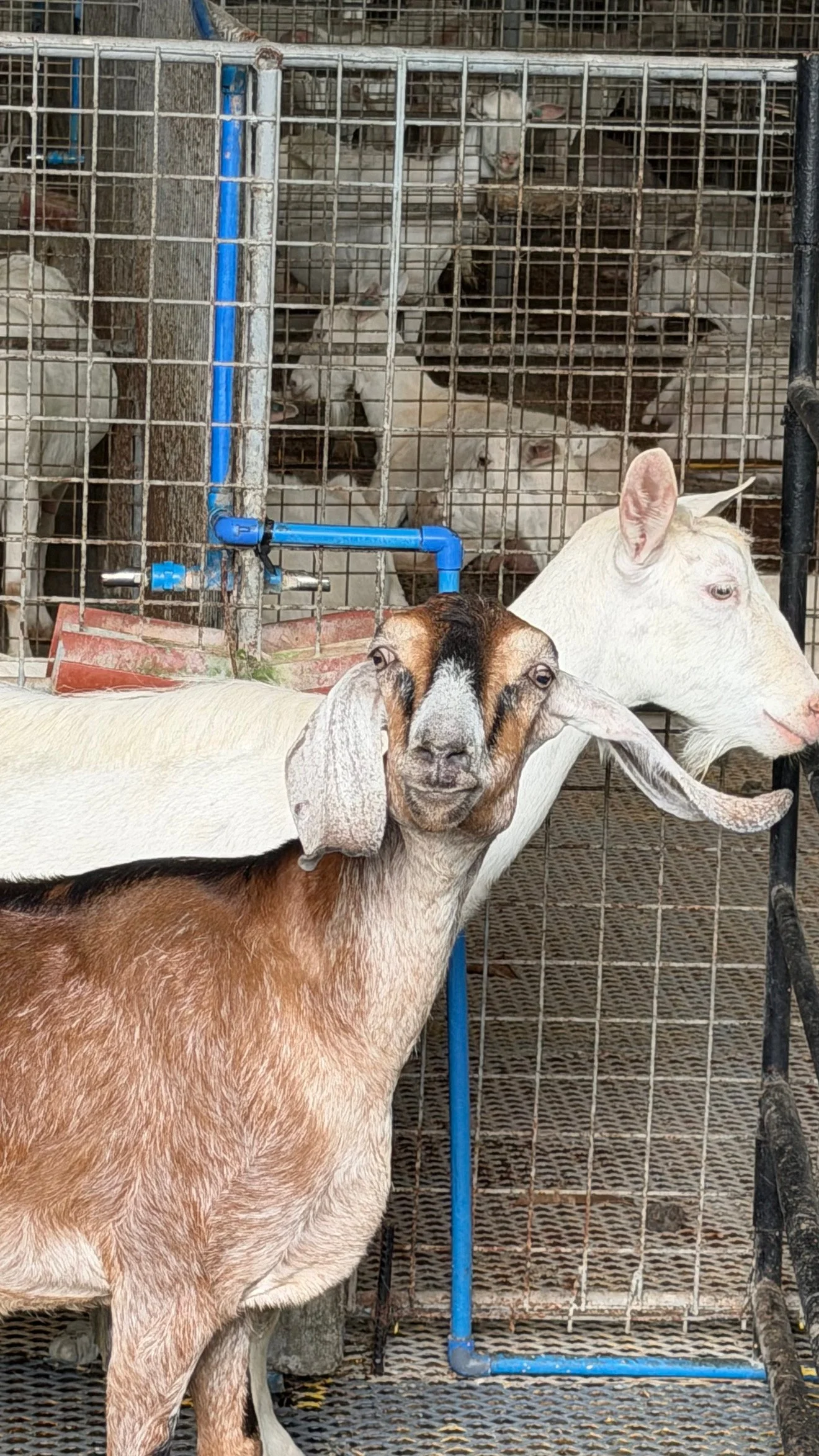
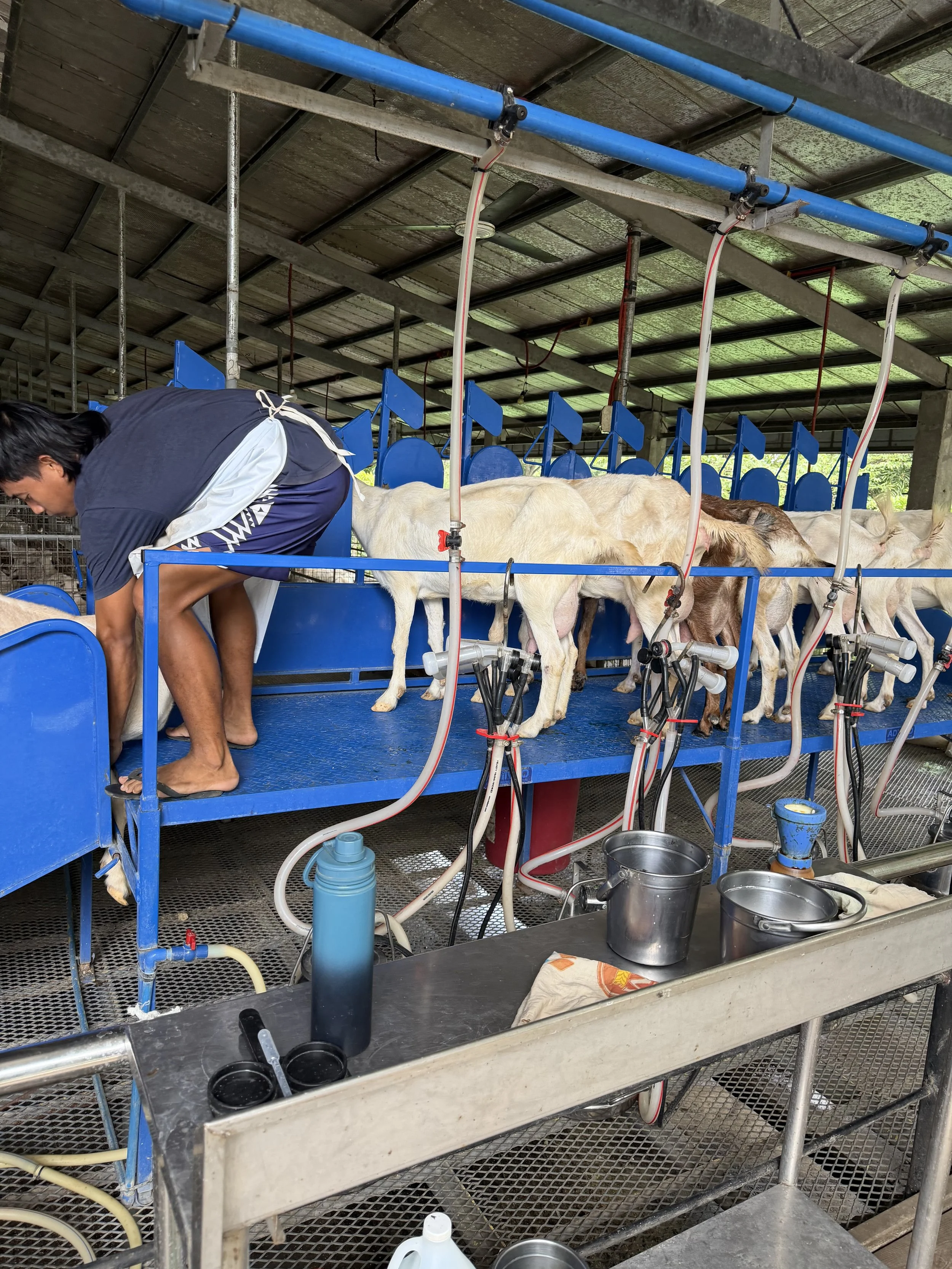
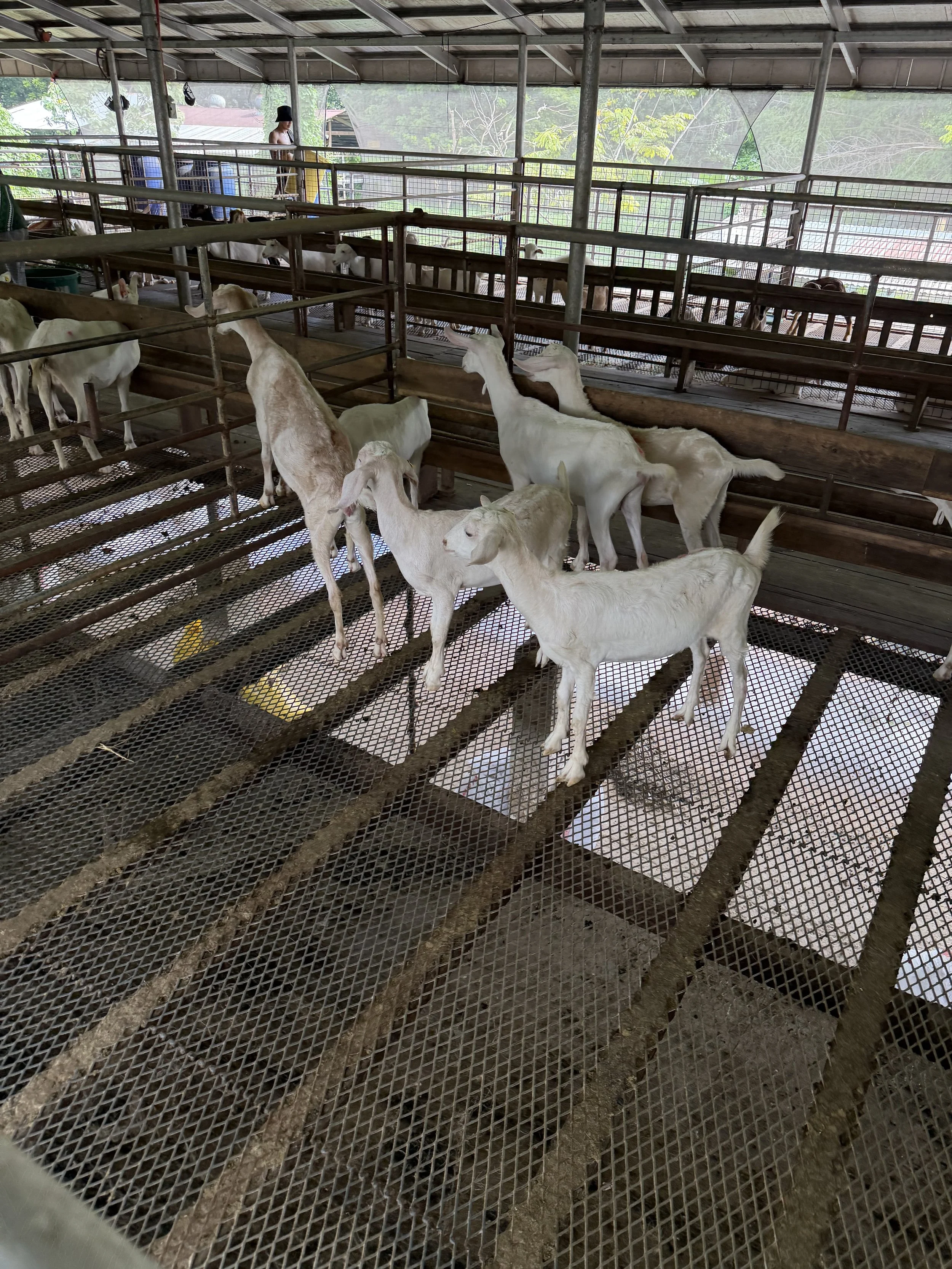
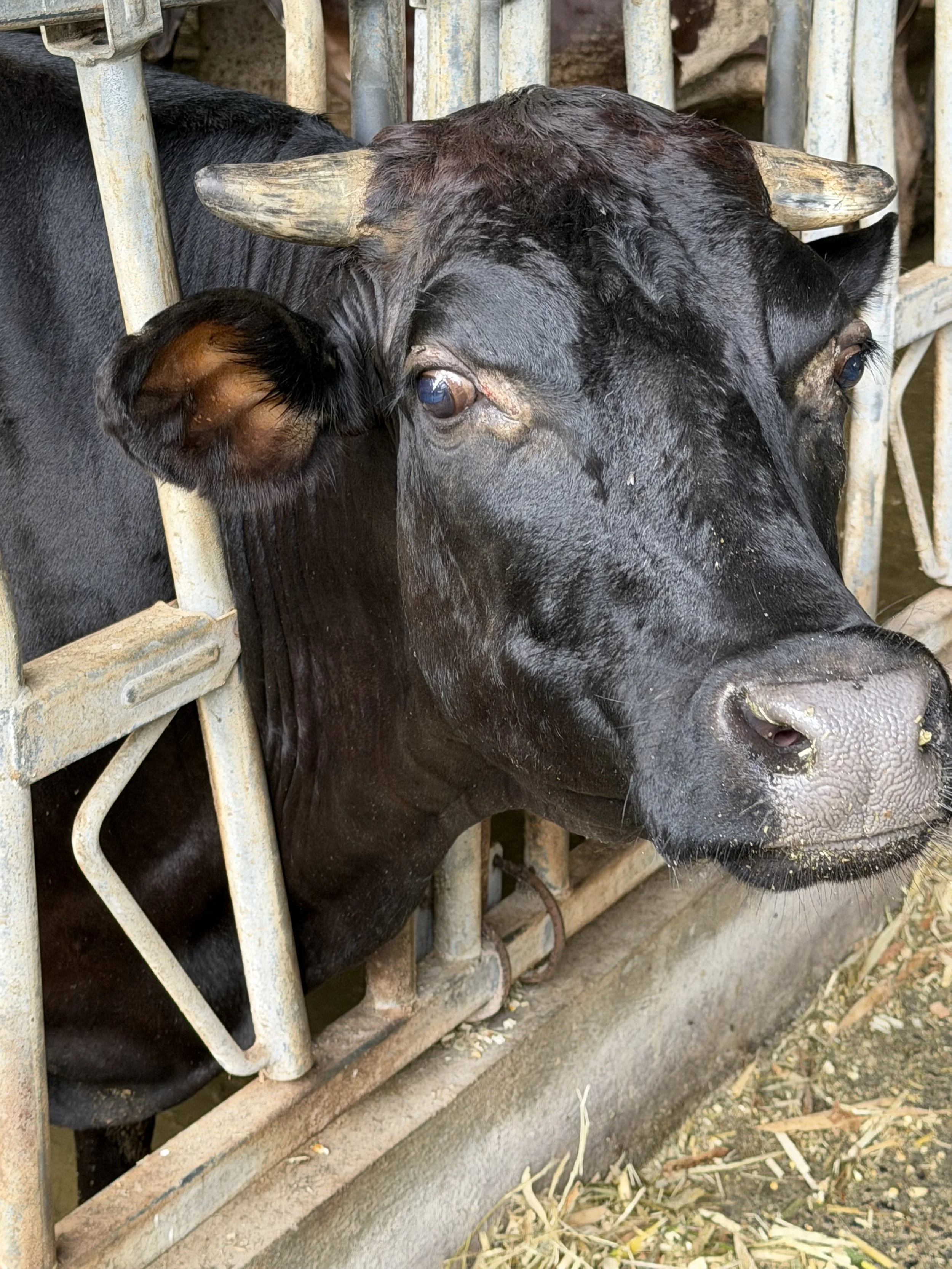
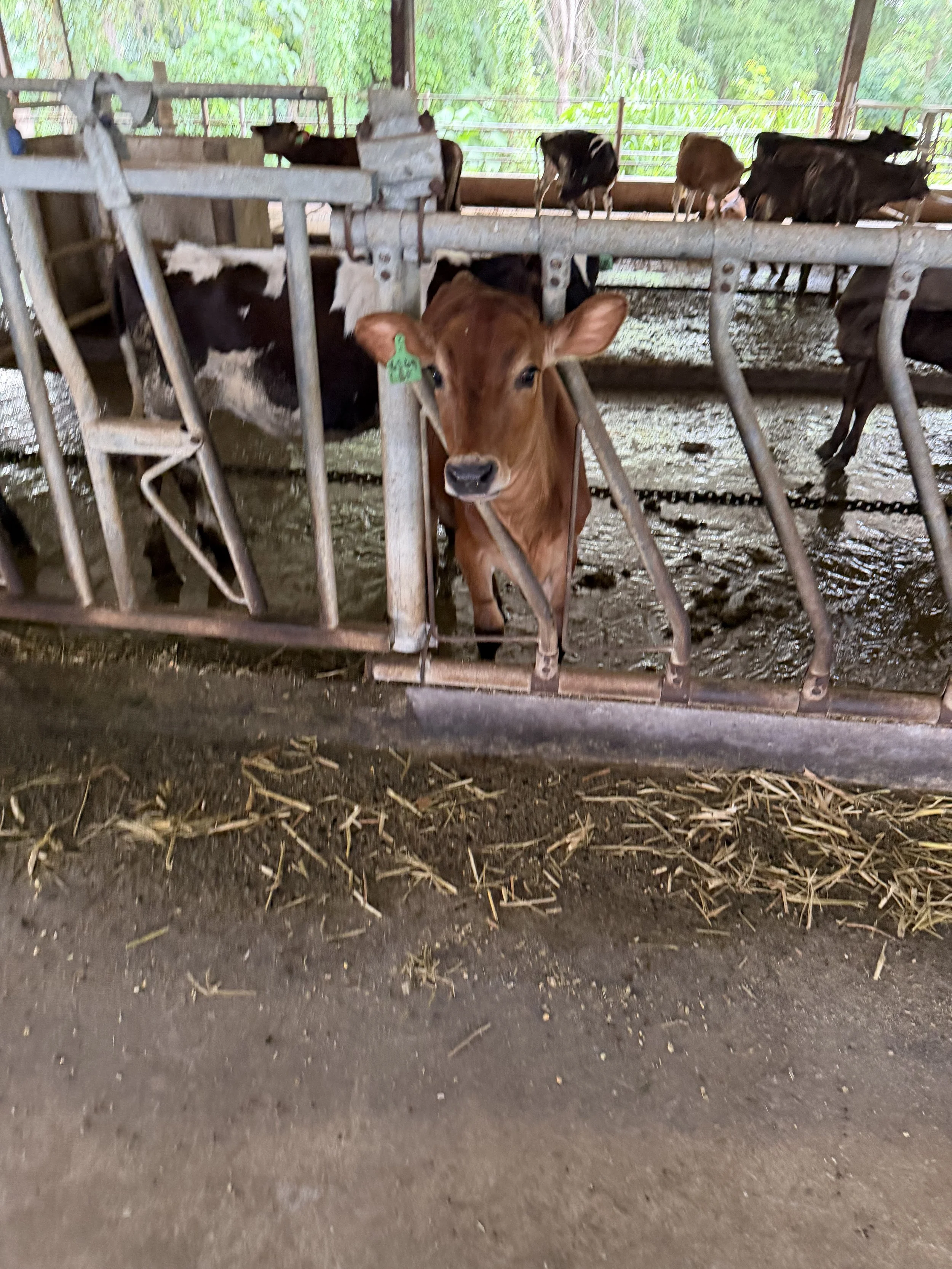
The property is also home to dairy cows and goats, and every part of the operation has a purpose. The owner believes in a circular farming system where one activity supports another. The cows and goats graze on the grass growing throughout the farm, naturally keeping vegetation under control. Their manure is then returned to the soil as organic fertilizer, providing nutrients for the coffee, cacao, and other crops.
It is a practical system that follows nature's own design. What would normally be considered waste becomes a valuable resource. The result is healthier soil, fewer external inputs, and a farm that becomes more self-sustaining over time.
The dairy operation also addresses another important challenge. The Philippines still imports about 99 percent of its dairy requirements because local production cannot meet national demand. Rather than accepting that reality, the owner chose to become part of the solution. Every liter of milk produced on the farm helps reduce our dependence on imports while creating another source of income for Philippine agriculture.
Walking around the property, I realized this farm is not built around coffee, cacao, or dairy alone. It is built around the idea that every part of agriculture should strengthen the next. The nursery produces quality planting materials. The trees create long-term livelihoods. The livestock nourish the land. The land, in turn, supports the next generation of crops.
It reminded me that the strongest farms are not always the ones with the biggest harvests. They are the ones where every part of the system works together and where each decision strengthens the whole.
As I left the farm, I found myself reflecting on everything I had seen. It wasn't just a nursery producing coffee and cacao planting materials. It wasn't just a dairy producing fresh milk. It wasn't just a farm practicing circular agriculture. It was a place built on the belief that what we do today can create better opportunities tomorrow.
The carefully selected mother trees, the rooted clones, the healthy soil, the livestock, and the people working with purpose all shared one thing in common. They represented a willingness to invest in something that may take years to fully realize.
That is one of the beautiful things about agriculture. You plant today for a harvest that may still be years away. You care for the soil knowing that someone else may benefit from it in the future. You share knowledge because the success of one farmer can eventually strengthen an entire community.
As someone who has dedicated much of my life to coffee, I left Iloilo and Guimaras inspired. The next chapter of Philippine coffee will not be written by one farmer, one company, or one region. It will be written by people across the country who are willing to invest in quality, care for the land, share what they know, and believe in what Philippine agriculture can become.
That, to me, is a Beautiful Coffee Future.